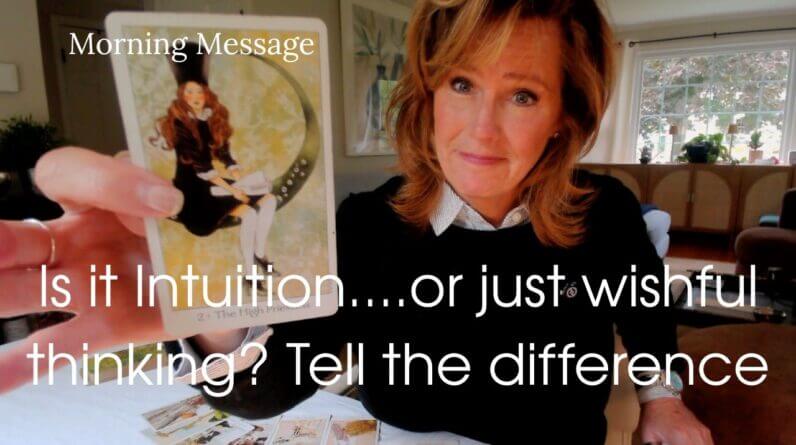

I believe there’s a fine line between wishful thinking and intuition. In this post, I will delve into the distinctions between the two and explore how recognizing and harnessing these differences can profoundly impact our decision-making process.
The Difference Between Wishful Thinking & Intuition
Introduction
Greetings, dear readers! Today, I am here to delve into a topic close to my heart – the intriguing disparity between wishful thinking and intuition. As a passionate advocate for self-discovery and inner guidance, I have encountered numerous individuals who struggle to differentiate between these two powerful forces. Join me on this enlightening journey as we explore the nuances, similarities, and distinguishing features of wishful thinking and intuition.
Understanding Wishful Thinking

Let’s kick things off by shedding light on wishful thinking. It’s a common human phenomenon where we envision outcomes based on our desires rather than reality. Here are some key points to consider:
- Definition: Wishful thinking involves projecting what we want to happen, despite evidence suggesting otherwise.
- Examples: Daydreaming about winning the lottery or expecting a promotion without putting in the effort.
Unveiling Intuition
Now, let’s shift our focus to intuition – that innate sense of knowing without logical explanation. Here’s what you need to know:
- Definition: Intuition is that gut feeling or inner voice that guides us, often transcending rational thought.
- Examples: Trusting your instincts to avoid a risky situation or feeling a strong connection with someone upon first meeting them.
Navigating the Fine Line
It’s essential to recognize that wishful thinking and intuition can sometimes intertwine, leading to confusion. Here’s how to discern between the two:
- Clarity: Wishful thinking is often fueled by emotions, whereas intuition comes from a place of inner wisdom.
- Outcome: Wishful thinking tends to result in disappointment when reality doesn’t align, while intuition offers genuine insights that resonate with our true path.
Embracing Authenticity
In a world filled with distractions and external influences, cultivating a deep connection with our intuition is paramount. Here’s why it matters:
- Self-Awareness: Honing our intuitive abilities enhances self-awareness and allows us to make decisions aligned with our authentic selves.
- Empowerment: Embracing intuition empowers us to navigate life’s complexities with confidence and clarity.
My Offerings
- Join me on a transformative journey as I launch a new course dedicated to unraveling the mysteries of wishful thinking versus intuition.
- Avail of a special discount by enrolling in both the Wisdom of the Tarot and Sage Practice: Tarot Mastery Intensive courses before October 1 for just $1,000.
- Explore the enriching Wisdom of the Tarot and Sage Practice – Tarot Mastery Intensive Course on my website for a profound learning experience.
- Subscribe to my Soulful Revolution Podcast Channel on YouTube for insightful discussions on intuition, spirituality, and personal growth.
Conclusion
In conclusion, the distinction between wishful thinking and intuition lies in their origins – one born of desire, the other of inner knowing. By honing our intuitive prowess and discerning wishful impulses, we can embark on a journey of self-discovery and authenticity. Remember, embracing intuition is not just a choice but a transformative way of life.

FAQs After The Conclusion
- How can I differentiate between wishful thinking and intuition in daily life?
- Are there exercises or practices to enhance my intuitive abilities?
- Can wishful thinking ever lead to positive outcomes?
- What role does mindfulness play in developing intuition?
- How can I enroll in your upcoming course on wishful thinking and intuition?